
How Retina Specialists Diagnose Eye Disease
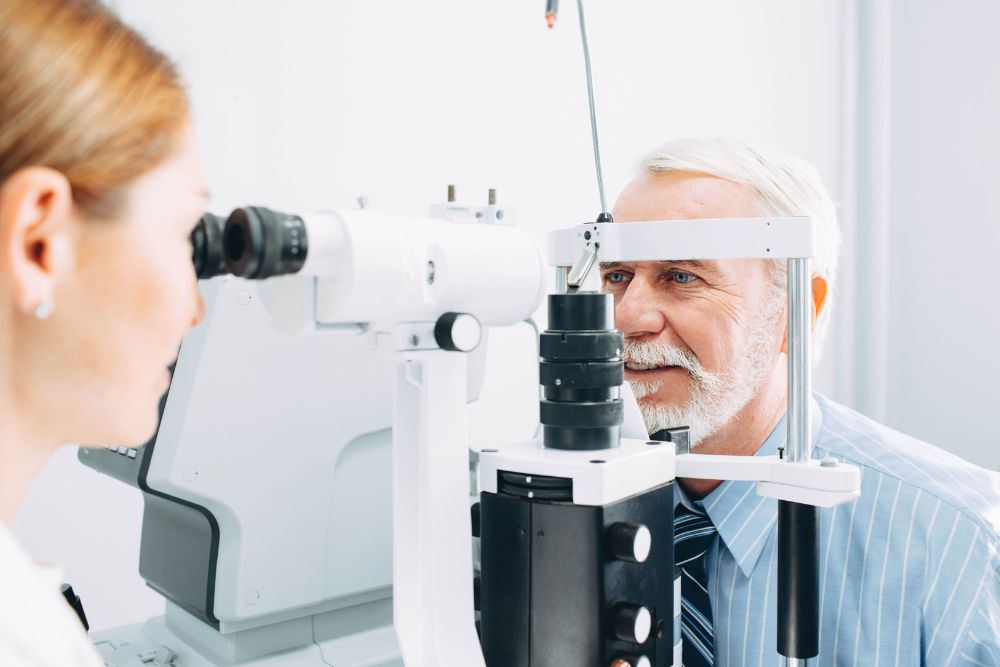
The eyes are often called the window to the soul, but they're also a crucial indicator of overall health. When it comes to retinal diseases, early intervention can be the key to preserving vision and maintaining quality of life. The delicate structures at the back of the eye require specialized care, emphasizing the importance of timely professional support. Understanding how retina specialists diagnose eye disease and the advanced tools they use can highlight the importance of seeking timely professional care.
Becoming a Retina Specialist
Retina specialists undergo extensive training beyond the standard ophthalmology degree. They complete four years of medical school, followed by a residency in ophthalmology. After that, they dedicate an additional fellowship year specifically to the retina. This rigorous training equips them with the skills to diagnose and treat complex retinal diseases, including diabetic retinopathy, macular degeneration, and retinal detachments. Their expertise is crucial, as many retinal conditions require specialized evaluation and management to prevent severe vision loss.
Common Diagnostic Tools Used by Retina Specialists
To accurately diagnose and monitor retinal conditions, specialists rely on advanced diagnostic tools, such as:
- OCT (optical coherence tomography) scans: This non-invasive imaging technique provides high-resolution, cross-sectional images of the retina, allowing specialists to detect subtle changes and layers of retinal tissue.
- Fluorescein angiography: In this test, a retina specialist injects a colored dye into the bloodstream. The dye travels to the blood vessels in the eye, and a special camera captures images that help identify retinal abnormalities.
- Indocyanine green angiography: Similar to fluorescein angiography, this test also involves an intravenous injection of dye. However, the dye used in this procedure absorbs infrared light, making it easier to visualize deeper retinal blood vessels.
- Fundus photography: This diagnostic and monitoring tool employs a specialized camera to capture detailed images of the retina, optic nerve, and blood vessels at the back of the eye.
- Ultrasound: Retinal ultrasound uses high-frequency sound waves to produce images of the retina and other internal structures of the eye.
The Importance of Early Detection and Treatment
These advanced tests are critical in the early detection of retinal diseases. By identifying issues at their onset, retina specialists can implement treatment plans that may halt or slow the progression of eye disease, preserving vision and improving quality of life. Whether through laser therapy, injections, or surgical interventions, early treatment can make a significant difference in outcomes.
Seeking Professional Care
Many retinal conditions require specialized evaluation, so if you experience any changes in your vision, such as blurriness, dark spots, or flashes of light, don’t hesitate to seek professional care. Your vision is invaluable, and the earlier a potential issue is addressed, the better the chances are for successful treatment.
At Retina Consultants, PLLC, our expert team specializes in diagnosing and treating a wide range of retinal conditions. If you have questions about retinal health or experience any symptoms, please consult your regular eye doctor as soon as possible, and they may refer you to one of our offices. We are available to see patients in Charleston, Parkersburg, Beckley, and Huntington.